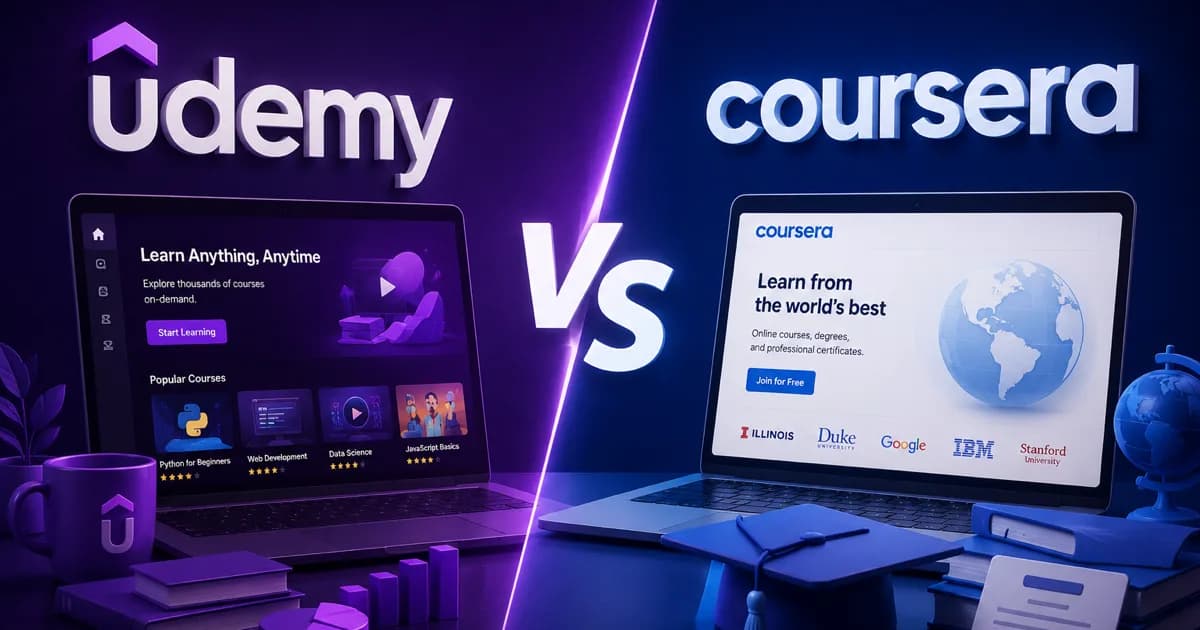
Udemy and Coursera are the two best-known online learning platforms, but they're built on completely different models. Udemy is an open marketplace where any practitioner can publish a course. Coursera is a partner platform for universities and companies with an academic approach. Let's break down the differences point by point so you can pick the right one for your goals.
The key differences, in one table
| Criterion | Udemy | Coursera |
|---|---|---|
| Model | One-time purchase, lifetime access (a Personal Plan subscription exists separately) | Subscription ~$59/mo or Plus at $399/yr |
| Instructors | Working practitioners | Universities and companies (Stanford, Google, IBM) |
| Catalog | 250,000+ courses | ~10,000 courses and specializations |
| Course price | $10–20 during sales | Individual courses are rarely sold separately |
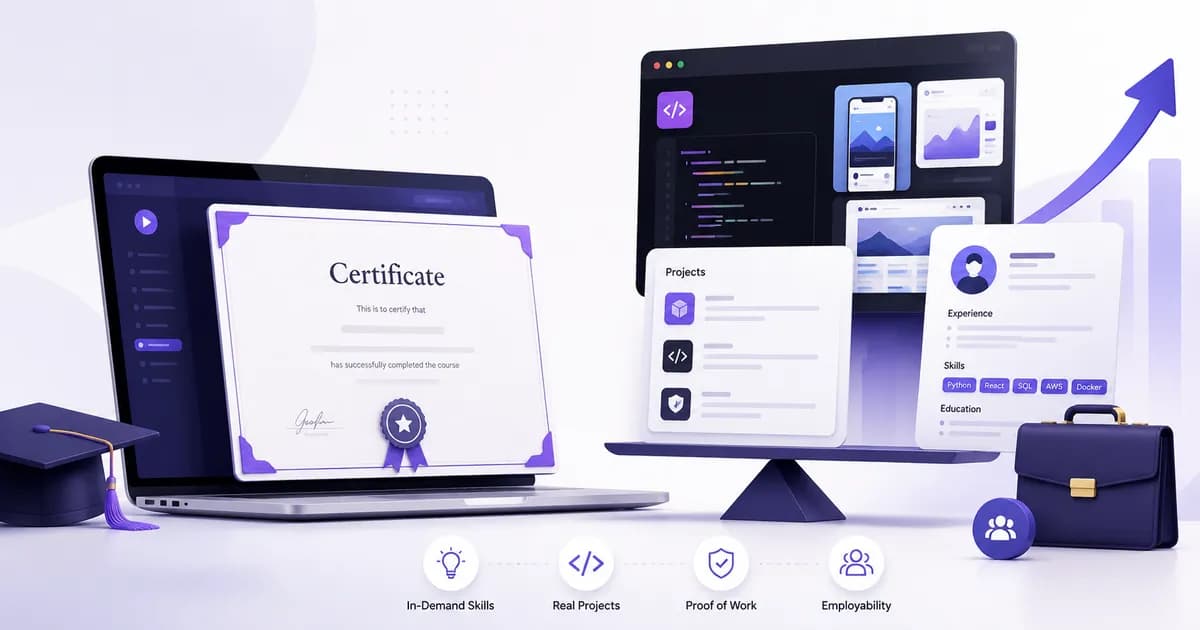
| Certificate | Udemy certificate of completion | University certificates, professional certificates |
| Deadlines | None — learn at your own pace | Weekly schedules (flexible) |
| Non-English courses | Plenty, including major IT courses | Few, mostly subtitles |
| Paying without a US/EU card | Through a payment service (e.g. ForUdemy) | Harder to pay for a subscription — you need a card the platform accepts |
Learning formats
How the courses are structured
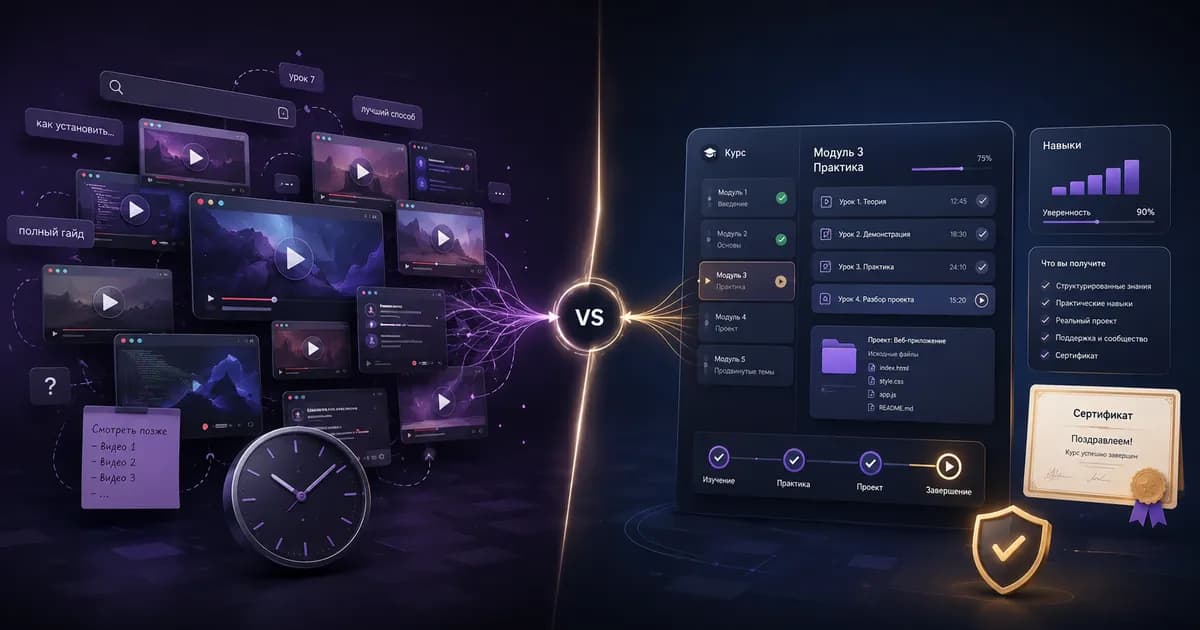
On Udemy, a course is video lectures plus hands-on assignments plus downloadable materials. Access is lifetime: buy it once and come back to it a year later when you need it. Course updates are included for free.
On Coursera, a course is part of a bigger structure: a specialization of 4–6 courses, or a professional certificate spanning several months. There are graded assignments, peer review, and a more rigidly structured curriculum.
Pros
Udemy: a huge selection, low prices during sales, lifetime access, plenty of up-to-date practical topics (from a specific framework to prep for a specific certification), and learning at your own pace.
Coursera: academic quality, university names on your certificate, structured programs, and financial aid for students.
Cons
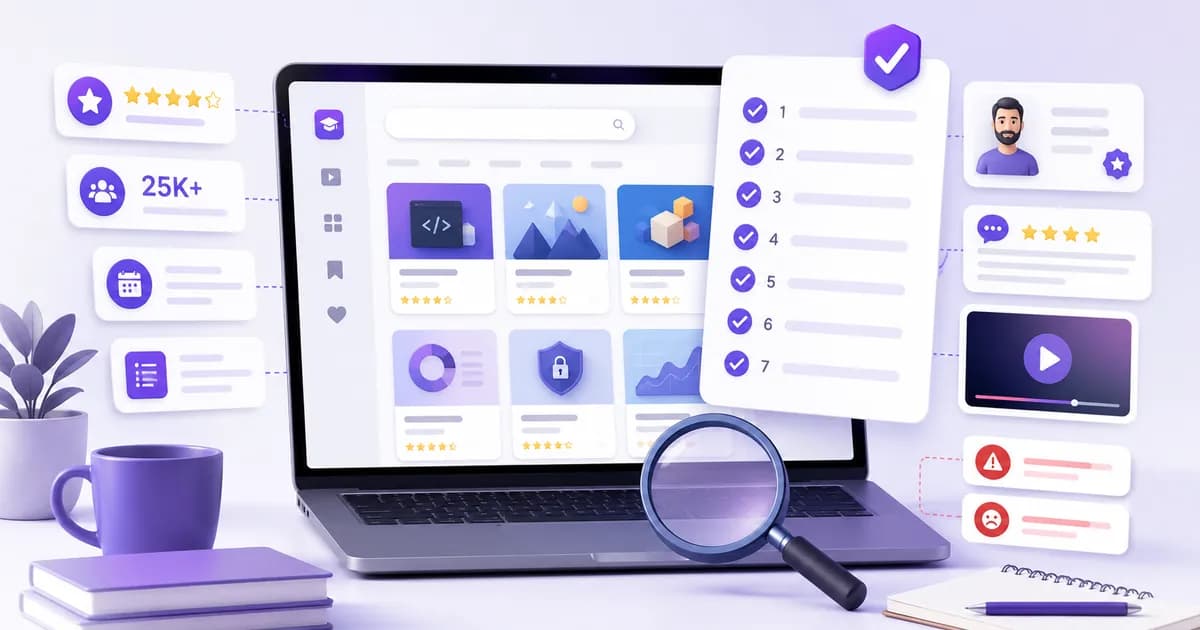
Udemy: course quality varies — always check the rating, number of reviews, and last-updated date before buying.
Coursera: the subscription model creates pressure from deadlines; if a single course takes longer than a month to finish, it ends up costing more than an equivalent Udemy course you keep forever.
What about pricing
The key difference is the payment model. Coursera charges a subscription: you keep paying as long as you're learning. Over six months of unhurried study, that adds up to $300+.
Udemy has a subscription too — Personal Plan, a separate product with terms of its own — but that is not the platform's main model. Udemy sells courses individually, almost always at an 80–90% discount: a course priced at $84.99 during a sale costs $13–15. Once you buy a course, it's yours forever, even if you come back to it two years later.
Udemy runs sales almost every week. If you see a course at full price, just wait two or three days — the discount will come back.
Paying when your card isn't accepted
Neither platform accepts every card worldwide, but the workaround looks different for each.
Udemy is simpler: you can get the course as a gift. Services like ForUdemy buy the course officially and send you a gift code — you can pay with a local bank card, SBP, or cryptocurrency, and the whole process takes a couple of minutes. For details, see the guide to paying for Udemy from Russia.
Coursera is trickier: the subscription needs to be renewed every month, so a one-time purchase through a payment service doesn't work — you need your own card that can be charged repeatedly.
So which should you choose?
- Learning for practical skills — a new programming language, framework, or design tool: go with Udemy. Cheaper, faster, and access is forever.
- You need a line on your resume — a university certificate or a professional Google/IBM/Meta certificate: Coursera is stronger, and its certificates are more recognizable to recruiters.
- You study irregularly, in bursts — Udemy: a Coursera subscription without deadlines quickly turns into a gym membership you don't use.
- You want a deep, foundational base — math, computer science, economics: Coursera's academic programs go deeper.
For most practical goals in tech, the best strategy is to use Udemy as your main course library, and turn to Coursera selectively when you specifically need a certificate with a university's name on it.
Buy Udemy Courses
Paste a course link → pay by card, crypto, or another supported method → get access in 2 minutes
Check Course Price